TL;DR - The lawn alternatives worth considering in 2026: microclover blends (best balance of traffic tolerance and looks), pure Dutch white clover (cheapest), creeping thyme (a look-but-barely-walk lawn with a lovely bloom), native sedge meadows (low water, but plugs add up), moss (shade only), and gravel with flagstone (no plants needed). For most families the microclover-and-fine-fescue route is the sensible default.
The US obsession with monoculture turf shows up in the water bill. The EPA's WaterSense program says residential outdoor water use across the country adds up to nearly 8 billion gallons a day, mainly for landscape irrigation, and that the average American household uses more water outdoors than for showering and washing clothes combined. Fertilizer, herbicide and mowing sit on top of that.
None of it is a law of nature. Alternatives exist that look good, support pollinators and cost less to maintain once they're established. Are they flawless? No. Each one trades something away, and the honest comparison is below.
Why Replace a Grass Lawn at All?
The arguments fall into three buckets: cost, environment and time. On cost, a turf lawn means seed, fertilizer, weed control, irrigation and mowing every year, and most alternatives drop several of those lines. Clover, for example, fixes its own nitrogen from the air, so you can stop buying nitrogen fertilizer.
On time, mowing is the big one. Pure clover and microclover lawns can be mowed less often than turf, a creeping thyme lawn needs hardly any mowing, and the Brooklyn Botanic Garden says sedge lawns typically need just two or three mowings a year, cut to 3 or 4 inches.
On the environment, nitrogen runoff from fertilized lawns contributes to algal blooms downstream, and dry-climate lawns drink a lot of water. Lower-input ground covers cut both.
The argument against turf isn't ideological. The exception is hard traffic: turf still wins for kids playing soccer or dogs running the same path daily. For those yards, a clover-and-fescue blend gets you most of the durability with fewer inputs.
What Are the Real Lawn Alternatives Worth Considering?
Six options for different situations. Prices are retailer and price-guide figures from 2026 and vary by region and supplier.
Dutch White Clover (Trifolium repens)
The cheapest, simplest swap. Bulk Dutch white clover seed sells for around 4 USD a pound, though retail packs cost more (roughly 11 USD upward depending on size and coating). Overseeding an existing lawn takes about a quarter to half a pound per 1,000 sqft, and a standalone clover lawn takes about half a pound to a pound and a half. One vendor lists it as suitable for USDA zones 3 to 10.
Pure clover lawns bloom heavily in summer, and bees love them. For some people that's the appeal. For others it's a deal-breaker. Mowing before the bloom reduces flowers if you'd rather not have them.
The downsides are traffic and season. Pure clover doesn't tolerate heavy foot traffic as well as turf, and in colder zones it browns in deep winter and recovers in spring. For a busy yard, blend it with fine fescue.
Microclover (Trifolium repens cultivars such as Pipolina and Pirouette)
The premium version. Microclover is a bred cultivar of white clover with smaller leaves, fewer flowers and a denser habit, which gives a more turf-like look and better traffic tolerance. Pipolina is the widely sold US cultivar, and Pirouette is the other name that comes up.
Pricing from current US retailers runs about 29 to 45 USD a pound for single-pound quantities, with lower prices only on bulk orders, and the usual rate is about 1 pound per 1,000 sqft for overseeding or up to 2 pounds for a new lawn. Seed for 1,000 sqft therefore lands roughly between 30 and 90 USD. That's several times the cost of ordinary Dutch white clover, but still small money compared with the rest of a lawn conversion.
Microclover blooms less than standard clover, which eases the bee worry for most households, and its denser canopy suits mixed plantings with fine fescue.
Creeping Thyme (Thymus serpyllum)
A visual lawn, not a play lawn. Creeping thyme grows low, blooms in summer and smells good when walked on. It withstands light foot traffic only, so it's best between flagstones or as a filler for beds. Growers describe it as hardy through zone 4.
Cost depends on how you buy it. A flat of 50 plugs costs about 25 to 40 USD (roughly 50 to 80 cents a plug), and plugs go in 6 to 12 inches apart, so 1,000 sqft needs roughly 1,000 plants at the wider spacing. That's around 500 to 800 USD in plug flats. Buying 4-inch pots at 3 to 5 USD each pushes the same area into the thousands, though they fill in faster.
Thyme is drought tolerant once established and doesn't need fertilizer. A tidy-up trim is about all the maintenance it needs.
Native Sedge Meadow
Brooklyn Botanic Garden lists sedges that work as lawns: Catlin sedge (Carex texensis), Texas Hill Country sedge, Pennsylvania sedge (Carex pensylvanica), California meadow sedge (Carex pansa) and Baltimore sedge. They're usually planted from plugs, spaced 6 to 12 inches apart depending on species, and the garden says most need only two or three mowings a year when kept as a lawn.
Which one fits you depends on the region and the site. Pennsylvania and Baltimore sedges do well in shade. California meadow sedge handles traffic well but performs poorly in deep shade. Most of these are hardy in zone 6, and some in zone 5.
The catch is cost. Plug prices from nursery listings run around 5 to 7 USD each (a 50-count flat at 5 USD per plug, 32-count plugs at roughly 6.60 to 6.80), and a 12-inch spacing means about 1,000 plugs per 1,000 sqft. That's 5,000 to 7,000 USD at retail prices, so wider spacing, smaller areas or wholesale buying matter. Once established, though, the maintenance bill is close to zero.
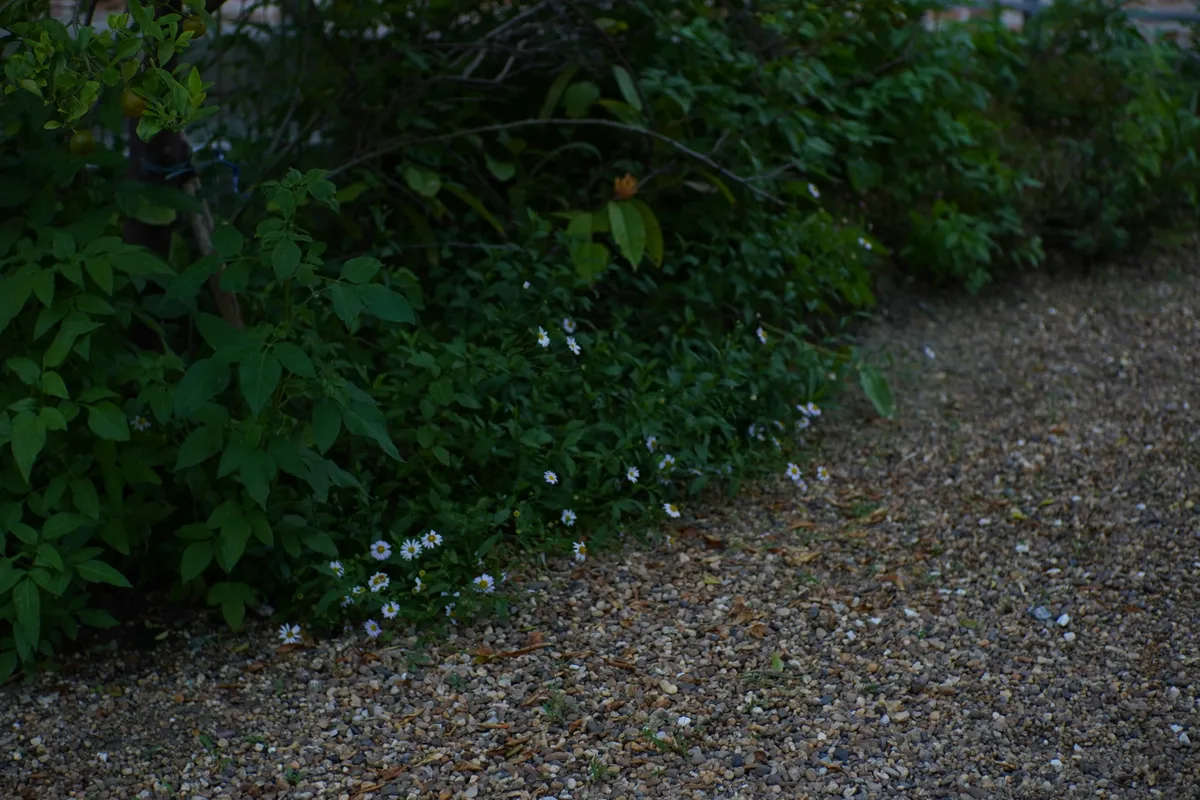
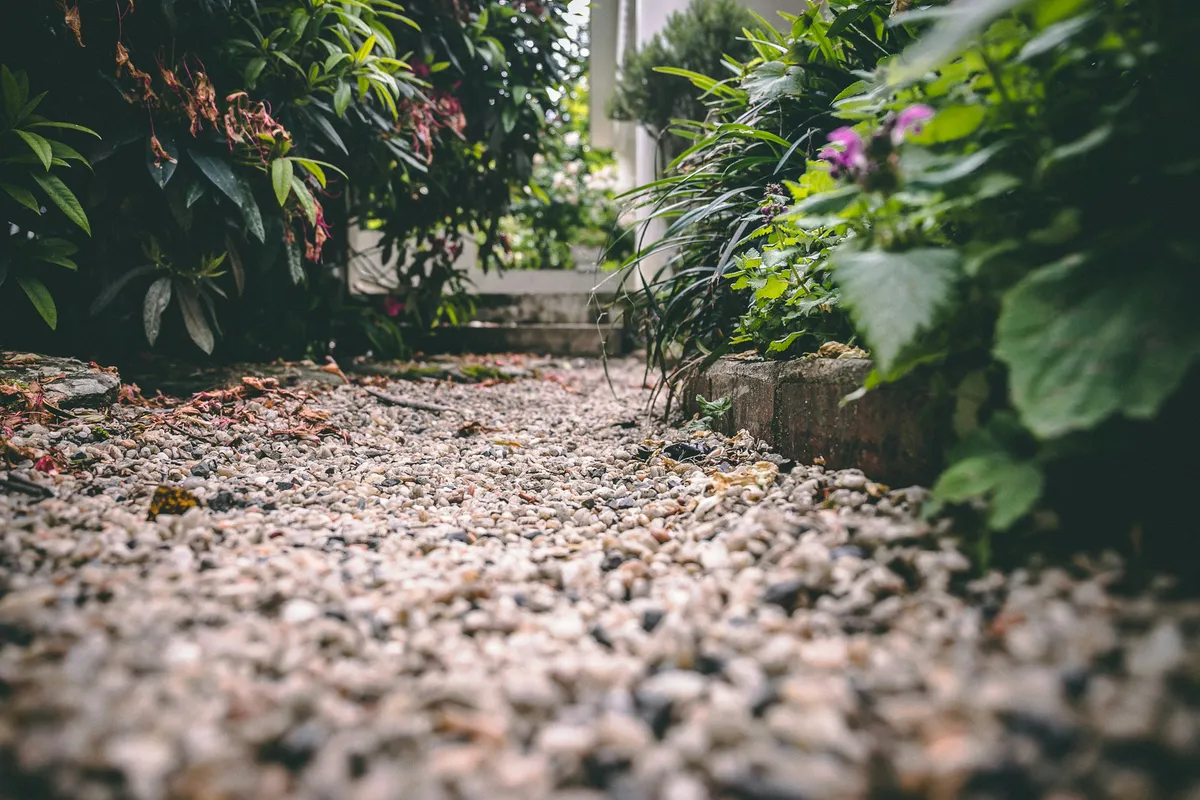
Pea Gravel and Flagstone (No Plants at All)
For a front strip, a side yard nobody uses or a hot slope where nothing grows, skip plants. Price guides put pea gravel at roughly 30 to 70 USD per cubic yard, plus about 75 to 150 USD for delivery within 20 miles. One cubic yard covers about 108 sqft at 3 inches deep. Flagstone material runs 2 to 6 USD per square foot, and professionally installed flagstone costs about 15 to 27 USD per square foot.
Maintenance is minimal, though gravel needs the occasional top-up and a weed barrier or edging to keep it tidy. Pair gravel zones with planted islands of drought-tolerant perennials. The look is landscaping, not a lawn, but the cost-to-maintenance ratio is hard to beat.
What About Moss?
Moss lawns work in one situation: shade, consistent moisture and acidic soil. Lawn-care guides put the targets at roughly 1 to 5 hours of sun a day and a soil pH of 5.0 to 5.5. If your yard sits under mature trees in a damp climate, moss may already be trying to grow, and you can encourage it instead of fighting it.
Cost and speed depend on the method. Buying moss sheets adds up fast. A slurry made from moss fragments, buttermilk and water is the cheapest route but slow, taking about 6 to 12 months to cover. Moss can take light foot traffic, but it's damaged by kids or pets running over it, so it's a lawn for looking at.
How Much Does Each Option Actually Cost?
A rough comparison for 1,000 sqft, using the 2026 figures above. Your region will shift them.
| Option | Material Cost (approx.) | Establishment | Maintenance |
|---|---|---|---|
| Overseed existing lawn with Dutch white clover | 5-50 USD seed | A few weeks to a season | Low; occasional overseed |
| Pure Dutch white clover lawn | 10-80 USD seed | A few weeks | Low |
| Microclover with fine fescue | 30-90 USD seed | A few weeks to a season | Low |
| Creeping thyme from plug flats | 500-800 USD (more in pots) | About 1-2 seasons | Minimal |
| Native sedge from plugs (12 in spacing) | 5,000-7,000 USD at retail | 1-3 seasons | 2-3 mowings a year |
| Pea gravel and flagstone | Gravel about 300-650 USD plus delivery; flagstone 15-27 USD/sqft installed | Days | Minimal |
| Moss | Varies: slurry cheap, sheets costly | 6-12 months for slurry | Needs moisture |
| Artificial turf (for comparison) | 6,500-20,000 USD installed | Days | Rinse and brush |
The microclover-plus-fine-fescue blend is the sensible default for most family yards in zones 3 to 8, because it balances cost, appearance and durability. Sedge is the premium route for people who want a meadow look and can afford the plugs.
Pairing the lawn change with edible plants? See the fruit tree pruning guide for what to do with apple, pear and peach trees once you've moved the rest of the yard off turf.
What Should You Avoid?
Three "alternatives" get marketed heavily and don't suit most people.
First, dyed mulch lawns. Mulch breaks down over a few seasons, landscape fabric tears and weeds push through, so a no-mow yard made of colored bark tends to turn into a weedy mess.
Second, artificial turf. It looks like turf and doesn't behave like it. Published figures put surface temperatures on hot sunny days at roughly 120 to 150F and above, installed cost at around 6.50 to 20 USD per square foot, and lifespan at 8 to 15 years, after which it has to be removed. Over 20 years, the replacement alone can cost more than the water you saved.
Third, big-box "wildflower lawn" mixes. Read the species list before you buy. A mix that's mostly annuals will bloom once and leave a bare patch the next year. A native plant nursery can supply perennial mixes matched to your zone.
Which Lawn Alternative Fits Your Yard Type?
The decision tree to use:
- High-traffic family yard with kids and dogs: microclover with a fine fescue blend
- Aesthetic front yard with stepping stones: creeping thyme between flagstones
- Low-water property in a dry region: a sedge species native to your area, or pea gravel with drought-tolerant islands
- Shaded yard under mature trees with moist, acidic soil: moss
- Suburban front strip in full sun: Dutch white clover overseeded into existing turf
Will any of these match a perfectly manicured monoculture fescue lawn? No, and that's the point. The appeal is that you stop pouring water, fertilizer, herbicide and weekend hours into a plant community that exists only because of constant intervention. The replacements look different, and plenty of people find that they look better after the second growing season.
Once the yard stops eating your weekends, the same cost-versus-lifespan thinking applies overhead. Our metal roofing systems guide runs those numbers for standing seam, metal shingles, and corrugated panels.