
TL;DR - For most buyers: Google TV (Sony/TCL) or Tizen (Samsung). For dark rooms: webOS on LG OLED. Already in Amazon's ecosystem: a Fire TV stick added to any TV, though prices rose by 30 to 50 percent in September 2026. The OS shapes your daily experience for the full life of the TV, don't treat it as an afterthought.
Scope note: This post is the OS-only deep dive (Tizen vs webOS vs Google TV vs Fire TV vs VIDAA / Roku TV). For specific hardware recommendations see the cluster hub best smart TVs 2026. For streaming-app performance benchmarks see best smart TV for streaming. For sub-500 GBP sets see best budget TVs under 500.
Updated October 2026: Update-promise figures were re-checked against LG's and Samsung's UK pages (LG's is five years, not three), VIDAA now has its own section, and the Fire TV section reflects Amazon's September 2026 price rises and the split between Fire OS and Vega OS. The first-person TV stories and the speed rankings were removed because they could not be sourced.
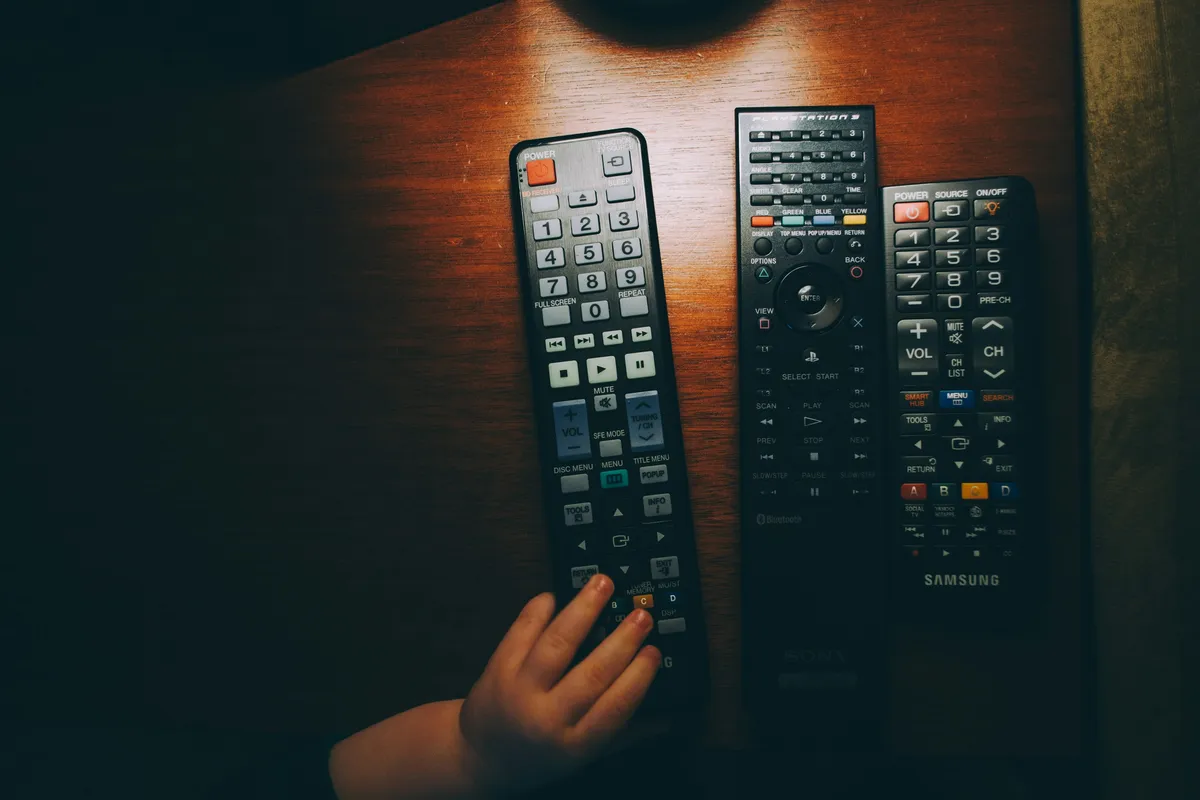
Why does the TV platform matter so much?
The smart TV you buy today will show Netflix, Disney+, and YouTube for many years. The panel quality changes slowly. The software experience, how fast it loads, whether your apps are supported, whether it gets security updates, determines whether the TV feels fresh or frustrating in year 4.
How often do you actually think about which apps your TV can run before you buy it?
Roku: the no-nonsense choice
Roku runs on Roku-branded TVs and as standalone streaming sticks. In the UK its TV range is thin but growing: TCL launched Roku TV models there in 2021, and in January 2026 Coocaa Roku TVs went on sale exclusively through Joybuy. The OS is minimal by design: a grid of app tiles, no home screen algorithm, no profile system.
Roku Search aggregates results across all apps simultaneously, search "Inception" and see it on Netflix, Prime Video, or wherever it's cheapest. The downside: limited UK TV availability, and a home screen Roku has said it will redesign for the UK and Europe later in 2026, the first big change in a decade.
Roku's reputation in this category rests on stability rather than features. The interface attempts very little and correspondingly rarely breaks, which is the whole pitch. If you dislike interface complexity, it is a strong option here.
Amazon Fire TV: worth it for Prime subscribers, less of a bargain now
Fire TV ships on Amazon sticks, cubes, and licensed TVs. In the UK it's primarily a streaming stick platform.
Amazon Prime Video is first-class. Alexa integration is the best for home automation if you use Echo devices. The catch has two parts. First, the home screen is heavily ad-supported with paid content recommendations. Second, Amazon raised UK Fire TV prices by 30 to 50 percent from 3 September 2026: the Fire TV Stick 4K Max now has a 99.99 GBP list price (retailers have discounted it since), the 4K Plus is 79.99 GBP and the HD stick 59.99 GBP.
It also matters which Fire TV you buy. The 4K Max and 4K Plus run Fire OS, with a library of more than 30,000 apps and sideloading. The newer HD and 4K Select sticks run Amazon's Vega OS, which is leaner but limited to around 3,000 apps with no sideloading, and Amazon has said every new Fire TV stick from here on will run Vega. If a niche app matters to you, check it exists on the OS before you buy.
Google TV: the all-rounder
Google TV runs on Sony Bravia TVs, TCL models, and the Google TV Streamer. In the UK, Hisense uses its own VIDAA platform instead (see below). It's the most capable general-purpose platform.
The Google Play Store gives the widest app library of any TV platform, niche sports apps, local broadcasters, region-specific services that simply don't exist on other OSes. Google Assistant handles search and home automation well. Cast from phone is deeply integrated.
The home screen pushes recommendations aggressively, which some users find intrusive. Performance also varies by manufacturer, because the same OS runs on very different processors. Update length is the other variable: it's set by each TV maker rather than by Google, so check the brand's own promise.
Google TV is what I'd recommend for most people. The app breadth wins.
webOS (LG): best built-in TV interface
WebOS ships exclusively on LG TVs. The home bar, a single row at the bottom of the screen, is the least intrusive UI of any smart TV platform. It doesn't take over your screen when you're not moving through.
The Magic Remote with pointer control is a genuine point in its favour: point and click like a mouse, without scrolling through menu items.
LG's update promise has grown. The LG C6 page lists webOS 26 and says you can "upgrade your TV up to 5 years for free" through the webOS Re:New program, up from the three years this guide quoted earlier. The app library is good but not as complete as Google TV.
Tizen (Samsung): the longest update pledge
Tizen ships on all Samsung TVs. Samsung's pledge of seven years of free OS upgrades for TVs from 2024 onwards is the longest of the big brands. For a specific model, read the date on its own page: the UK page for the 2026 S95H lists security updates through 31 December 2031.
SmartThings integration is smooth if you have Samsung appliances. Already connected a washing machine to WiFi or a smart fridge through SmartThings (see the smart fridge buying guide)? The TV slots right in.
Tizen also runs the sets where the screen is meant to be looked at when it's off. Art mode on The Frame 32 is a Tizen feature, not a separate platform, so everything above about update length applies there too.
Bixby, Samsung's voice assistant, is weaker than Google Assistant or Alexa. Home screen ads are present, though dismissible.
VIDAA (Hisense): the one the title promised
VIDAA is the platform on Hisense TVs in Europe, where Hisense's own 2026 line-up uses VIDAA instead of Google TV or Fire TV. It began in 2019 under Hisense Group and now describes itself as an independent platform with several investors. In the UK, the premium sets run VIDAA U9 with Freely built in.
Its main strength is the Freely live-TV integration for UK viewers. Its weakness is catalogue depth: it covers the big UK streaming apps, but expect gaps for niche services compared with Google TV. Hisense has also been adding features, such as Xbox cloud gaming in August 2026. We couldn't find a public update-length promise from Hisense comparable to Samsung's or LG's, so treat that as unknown and ask the retailer before buying.
Head-to-head comparison
| Platform | App library | Voice assistant | Update promise | UK TV options |
|---|---|---|---|---|
| Google TV | Best | Set by each TV maker | Sony, TCL | |
| Tizen | Good | Bixby/Alexa | Up to 7 years (2024+ models) | Samsung only |
| webOS | Good | ThinQ AI | Up to 5 years (Re:New) | LG only |
| VIDAA | Good, fewer niche apps | Varies by set | No public figure found | Hisense |
| Fire TV | 30,000+ (Fire OS) or about 3,000 (Vega) | Alexa | No fixed public figure found | Sticks, cubes and some TVs |
| Roku | Good | Roku Voice | No fixed public figure found | Limited UK TVs |
Which platform should you choose?
For specific model recommendations, see our best smart TVs of 2026 roundup.
For most people: Google TV or Tizen. Both cover every major app and work well as daily drivers.
For dark-room movie watching: webOS on LG OLED. The Magic Remote and interface are worth paying for, and the LG OLED C6 is the model most people should be looking at rather than the G-series flagship.
If you already use Amazon/Echo: Add a Fire TV stick to any TV you like, but compare the list price against a Google TV Streamer first, now that Amazon has raised prices.
On a budget: a TCL with Google TV is the usual route to the full app library at a budget hardware price. Full options in our budget TVs under 500 GBP guide.