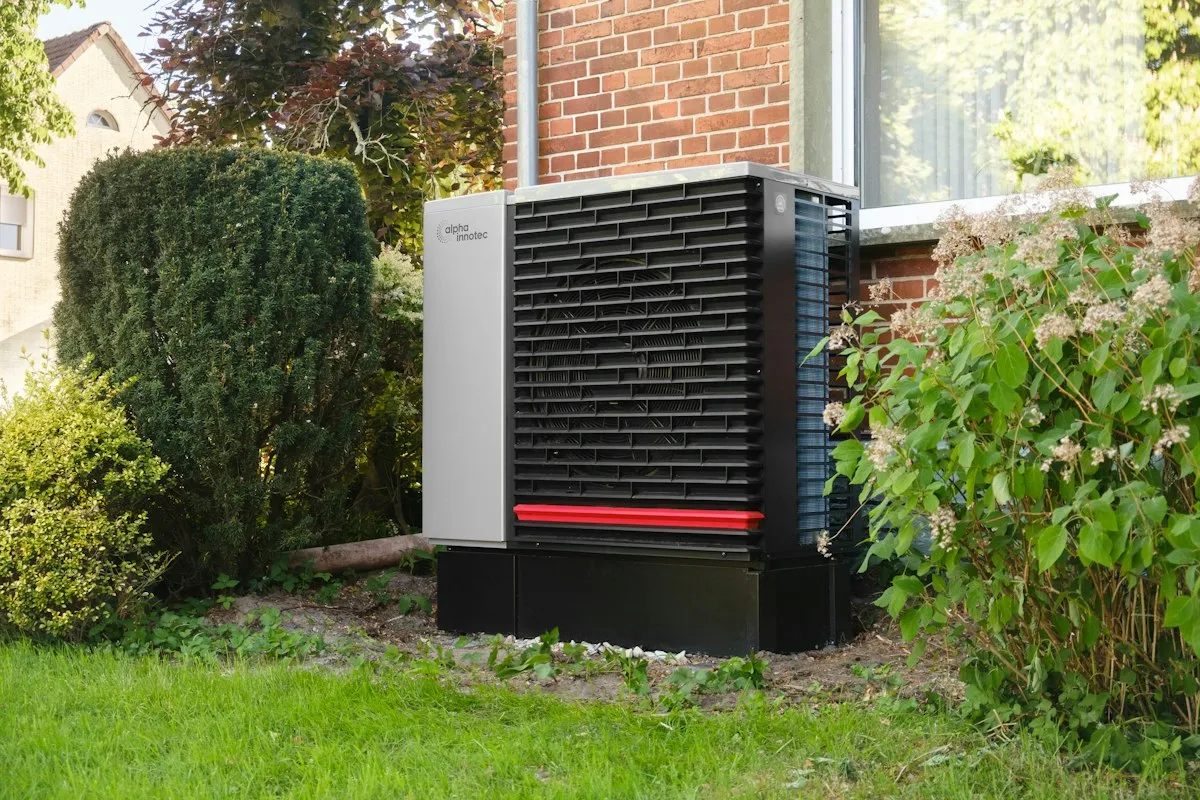
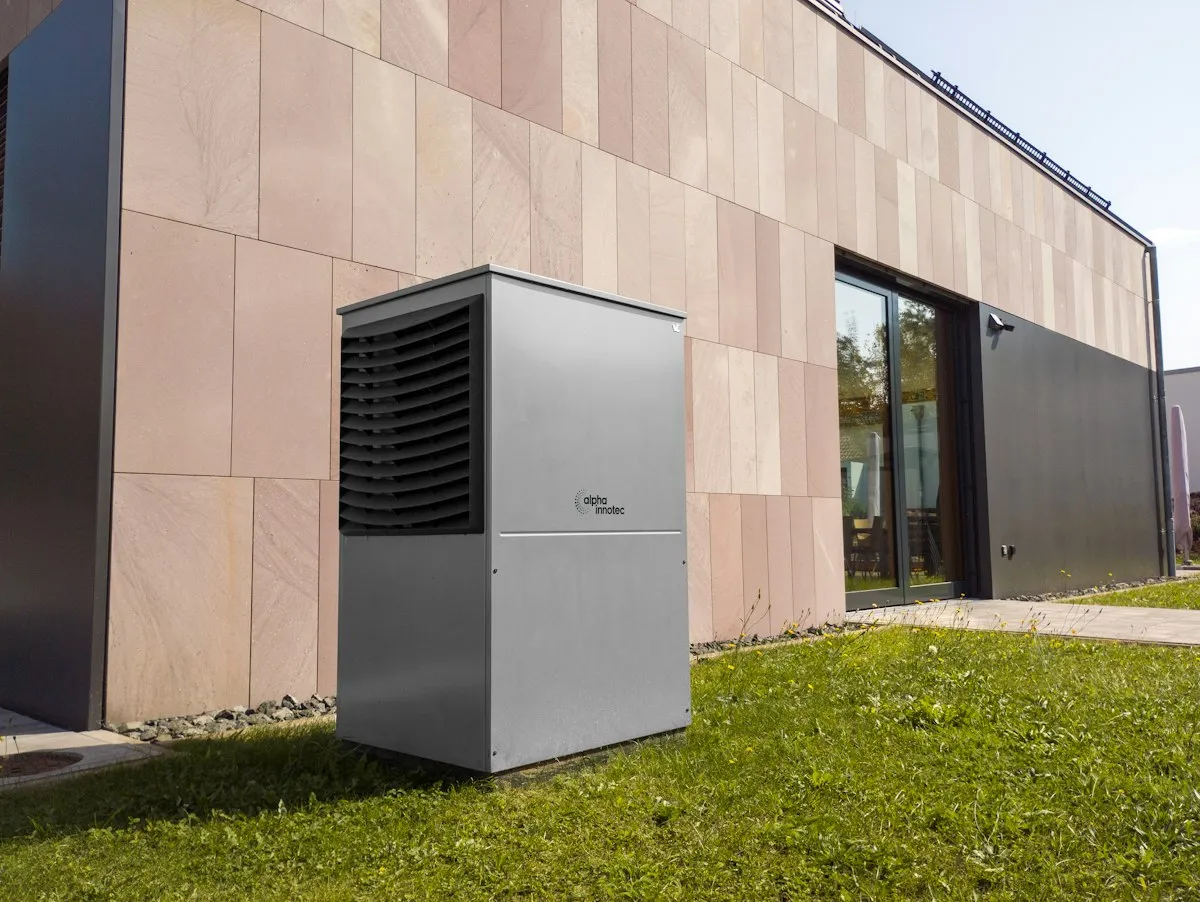
The 2026 Baseline Numbers
Start with what the marketplaces are actually reporting, because HVAC pricing folklore is mostly outdated. Angi's 2026 guide puts a combined furnace and AC replacement at $5,000 to $12,500, averaging around $7,500. A furnace alone runs roughly $3,800 to $12,000. Heat pumps? A cartoonishly wide $6,000 to $25,000, and the width is the message: sizing, cold-climate capability, and what your ducts look like matter more than the brand on the box.
Ducts are the quiet budget killer in an older home. Figure $1,000 to $2,700 per 1,000 square feet if runs need replacing, and that line has a habit of appearing only after the crew opens the ceiling.
So what does a realistic older-home number look like? For a straightforward like-for-like furnace and coil swap, the middle of Angi's band. For a ducted heat pump conversion with electrical work, plan five figures and be pleased if you land under them.
Why This Year's Quotes Run Higher
Two years ago you'd have paid noticeably less for the same tonnage, and it's worth understanding why before you accuse your contractor of padding.
January 1, 2026 was the EPA's AIM Act deadline: new residential systems can no longer be installed with R-410A refrigerant. The replacements, R-454B and R-32, are mildly flammable A2L blends, so the new equipment carries leak-detection sensors, revised charge limits, and redesigned compressors. Industry estimates for the equipment premium range from 8 to 20 percent depending on who's counting, and the refrigerant itself got expensive fast once Honeywell stacked a 42 percent surcharge and a per-pound increase on R-454B orders through 2025.
The honest caveat: I've only got industry-published numbers here, not a stack of side-by-side invoices, and early-2026 reporting already suggests the premium is narrowing as supply catches up. Treat "the refrigerant switch added 15 percent" as a plausible band, not gospel.
What Fall Timing Actually Changes
September and October are the shoulder season: cooling calls have died down, heating emergencies haven't started. Trane's own advice pages say the quiet part out loud, contractors have open calendars in fall and manufacturers run autumn promotion windows, typically worth a few hundred dollars on qualifying equipment.
How much should you trust the bigger claims? Marketing sites toss around savings of 20 percent and more for off-season buys. Comparing sources while researching this, the defensible version is smaller: modest equipment promos, more competitive bids because crews want the work, and distributors clearing stock before winter inventory lands.
The scheduling advantage is the underrated one. A furnace that dies in January gets replaced by whoever can come Tuesday, at whatever that costs. A system replaced in October gets three quotes, a load calculation, and a contractor who isn't triaging emergencies. That difference routinely beats any advertised discount.
DIY vs Contractor: Where the Line Sits
The line is the refrigerant circuit and the gas line. Everything on your side of it is fair game, and none of it is trivial money.
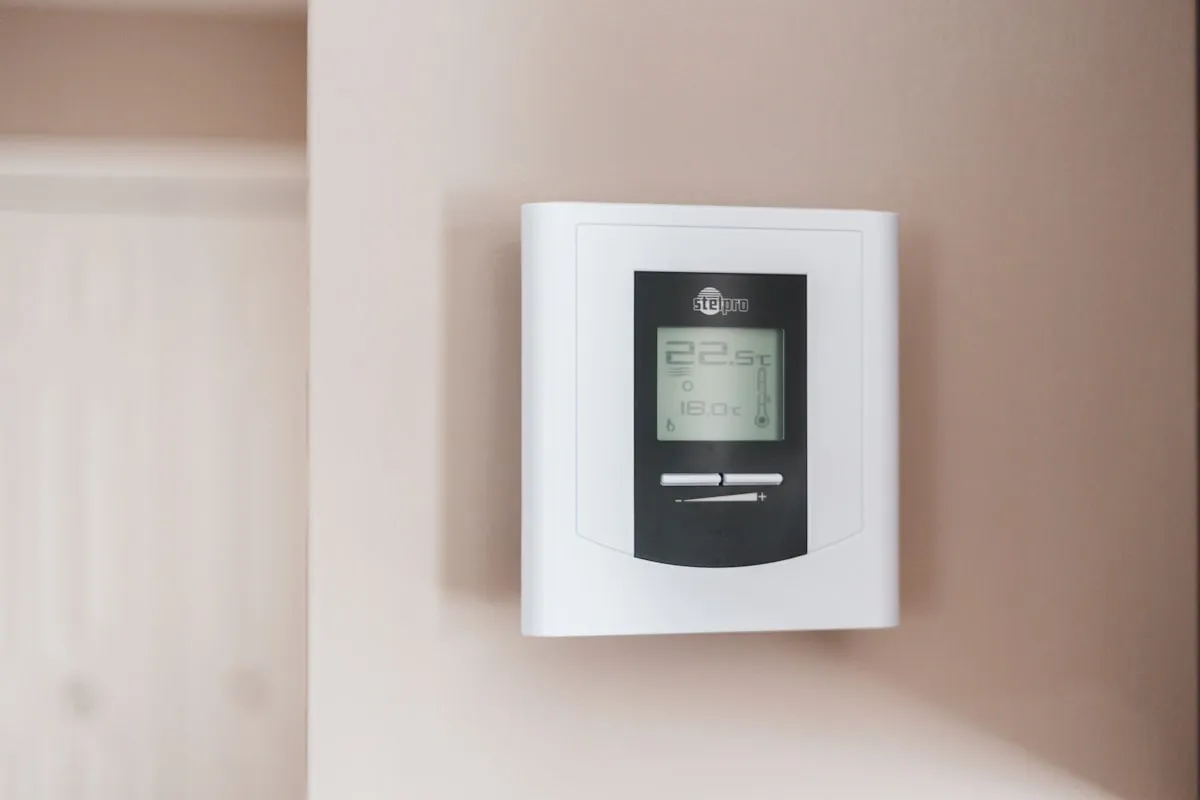
You can install the thermostat, seal accessible ducts with mastic, wrap the attic runs (the payback math is in our attic duct insulation guide), clear the condensate line, and keep the outdoor coil clean, which is already on the October maintenance checklist. Done together, that work can claw back a chunk of the efficiency a new system promises, for a weekend and maybe $300.
Past the line, the rules get hard. Opening the refrigerant circuit requires EPA Section 608 certification, and the A2L blends add a flammability class to the list of reasons not to improvise. Pre-charged DIY mini-split kits, with sealed line sets designed to avoid refrigerant work, are the only version of "installing your own heat pump" I'd take seriously.
Rebates After the 25C Sunset
The federal 25C credit, up to $2,000 for qualifying heat pumps, expired on December 31, 2025, a casualty of the July 2025 budget law. AC Direct's 2026 guidance is blunt about it: equipment placed in service this year gets no federal credit.
The IRA state rebates survived. HEAR pays up to $8,000 toward a heat pump for households under 150 percent of area median income, and HOMES adds whole-home money in participating states. About two dozen states had live programs in early 2026, but the funds are finite and first come: California burned through its allocation by late February, and Florida declined the program entirely. Check your state energy office before you sign anything, not after.
My take for this fall: if your system is past 15 years, get quotes now rather than gambling on another winter (the September checklist covers the pre-season tune-up that tells you how bad things are), and treat rebate money as a bonus rather than the plan. And if you're weighing this against envelope work, read the exterior foam cost breakdown first. Insulation you postpone stays postponed; a dead furnace makes its own schedule.