Where the Money Actually Goes
Ask what exterior foam costs and most guides hand you one tidy number. The honest answer is three numbers stacked on top of each other: boards, labor, and everything the wall demands before new siding can go back on.
The published ranges first. Angi's 2026 insulation guide prices wall insulation at $1 to $5 per square foot installed, and HomeGuide lands at $1,700 to $8,500 to insulate the exterior walls of a typical 2,000 square foot house. The Homewyse contractor calculator, updated in 2026, prices basic rigid board installation at about $2.25 to $3.75 per square foot.
Sounds manageable, right?
Here's the catch. Those figures cover attaching insulation to an accessible wall. On an older home, the wall isn't accessible until the siding comes off, and it isn't finished until new cladding goes on. The foam is the middle slice of a much bigger sandwich.
Material Prices, Board by Board
Foam is sold by the board foot, one square foot at one inch thick. Cross checking the 2026 guides, HomeGuide lists EPS at roughly 25 to 35 cents per board foot and XPS at 40 to 50 cents, with polyiso sitting at the top of the range in exchange for the highest R-value per inch, around R-6 against R-5 for XPS and R-4 for EPS. The same board goes against a below-grade wall too, and the XPS vs spray foam comparison for basements shows where the trade-offs change.
Run the math on a real house. Say 1,500 square feet of wall at 2 inches of polyiso: about 3,000 board feet, so $1,500 to $2,000 in boards. Add seam tape, cap fasteners, and a proper water resistive barrier and the material pile still sits under $3,000.
That's the cheap part. Genuinely.
Labor Is Really a Re-Siding Project
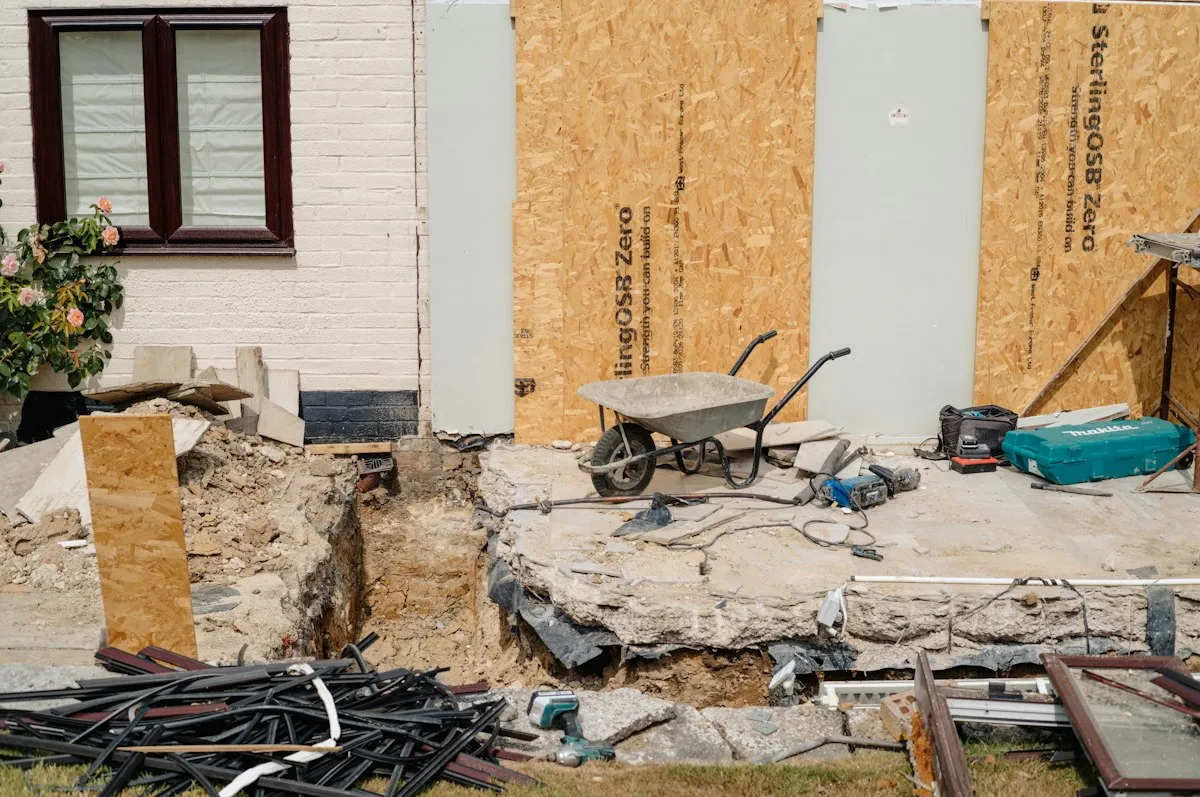
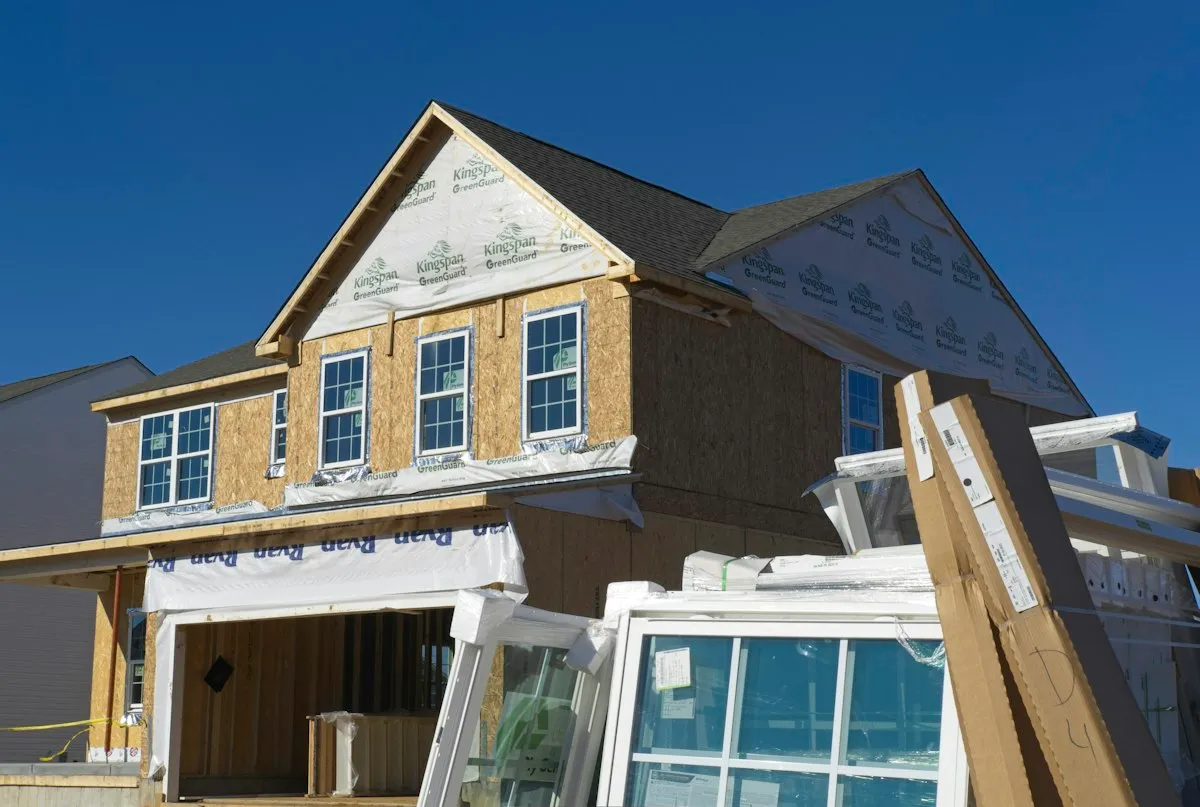
What are the crews doing for all that money? Not gluing foam to a wall. They're stripping cladding, repairing whatever the siding was hiding, hanging and taping boards so the assembly sheds water, screwing furring strips through to the studs, extending window and door jambs to match the new wall depth, and then installing siding over it all.
Every one of those steps exists for a reason. The five ways exterior insulation goes wrong are mostly failures of exactly this detailing, and a wall that traps water behind foam fails the same way a badly built basement wall does, slowly and out of sight.
So the realistic project envelope for strip, insulate, and reclad on an average two story house runs well into five figures. Angi's siding guides alone price removal and disposal of old cladding at roughly $1,000 to $4,000, before a single board of foam goes up.
The Line Items That Double a Quote
Some houses carry multipliers, and older homes carry most of them.
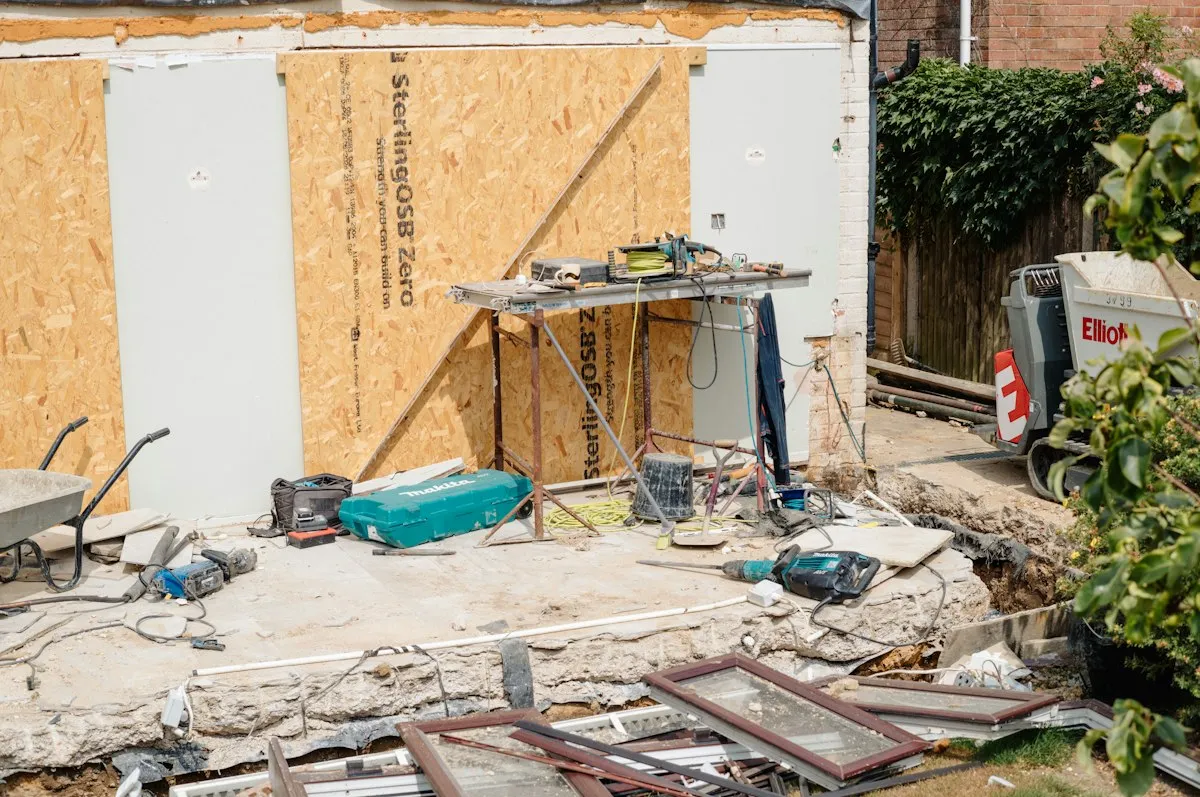
Asbestos cement siding is the big one. This Old House puts licensed abatement at $5 to $20 per square foot, which can exceed the entire rest of the project. Pre-1978 paint triggers lead-safe work rules that slow demolition down. Three stories of wall means scaffolding instead of ladders. And every window becomes a small carpentry job, because a 2 inch thicker wall needs extension jambs, new sills, and reworked flashing at each opening.
Thickness itself is the sneaky variable. Going from 1 inch to 2 inches roughly doubles the board cost but barely moves the labor, which is why thin foam tempts people. Resist it. Underspecified foam is the first fault on the problems list, and it's worse than none.
Rebates in 2026: The Federal Credit Is Gone
This changed recently, so double check anything you read. The 25C Energy Efficient Home Improvement Credit, which paid back 30 percent of insulation material costs up to $1,200 a year, expired on December 31, 2025 under the budget law passed in July 2025. ENERGY STAR's federal credit page now lists it as ended; work placed in service in 2026 gets nothing from it.
What's left? State programs funded by the federal HOMES rebates still pay for whole-home efficiency projects in the states that run them, and exterior foam moves the needle in exactly the modeled-savings way those programs reward. Your utility may kick in too. Neither is guaranteed, so price the job as if the answer is zero.
Is It Worth Doing at These Prices?
Here's my honest read after pulling these numbers: as a standalone project on healthy siding, exterior foam rarely pays for itself, and I'd say that even though I think it's the best insulation a cold-climate wall can get. The arithmetic only turns friendly when the siding is failing anyway, because then you're paying the strip-and-reclad cost regardless and the foam rides along for a few thousand dollars more.
If that's not your situation, spend a fraction of the money air sealing and topping up the attic first (after checking bath fan duct and attic moisture), the same logic that makes attic duct insulation such a cheap win. And if your budget season includes mechanical upgrades too, weigh this against the fall 2026 HVAC numbers before committing either way. A wall you can insulate next year is a better deal than a furnace that dies in January.