
Two weeks ago the job was appliances. Our late summer maintenance checklist walked through the AC filter, the condensate line, the fridge coils, the washer gasket, all the indoor machinery that just survived a hot summer. That pass is done, or should be.
September is a different list entirely. This one is about the building and the season ahead of it, and almost every item shares a trait the appliance jobs didn't have: you need to get on someone's calendar. Furnace techs, chimney sweeps, gutter crews, irrigation companies. They all get slammed the week of the first cold snap. The whole strategy of a September checklist is beating that rush.
Why Test the Heat While It's Still Warm Outside?
Do this today. Takes ten minutes.
Switch the thermostat to heat, set it five degrees above room temperature, and let the system run. A dusty burning smell for the first few minutes is normal after a summer off. Anything longer, any rattle, any short-cycling, and you've just found a problem in September instead of on the first cold night of November, when every HVAC dispatcher in the region is triaging no-heat calls.
Then book the pre-season tune-up anyway, even if the test run sounds fine. A tech with a combustion analyzer catches what your nose can't, and a cracked heat exchanger is exactly the kind of fault you want discovered while the windows can still be opened. Swap the filter while you're at it. The heating side pulls through the same filter the AC spent all summer loading with dust.
While the tech is in the attic, ask what the supply ducts up there look like. A furnace that tests fine still loses a third of its output through bare or badly wrapped runs, and attic duct insulation is the one heating job that pays back the same winter you do it. Check the bathroom fan duct up there as well, because the moisture side of attic insulation is easy to get backwards. And if the furnace is past 15 years, price a fall HVAC replacement before it decides the date for you.
Why Does the Chimney Need Attention Every Single Year?
Because the standard says so, and the standard is blunt about it. NFPA 211 requires that chimneys, fireplaces, and vents be inspected at least once a year for soundness, freedom from deposits, and correct clearances. Not wood stoves only. Gas and oil flues too, which surprises people every autumn.
An inspection isn't automatically a sweep. If the flue is clean, you pay for a look and a report, and I'd call that cheap insurance against a creosote fire. The September angle is scheduling: sweeps book out fast once the first smoky evening reminds everyone at once. Call now and you pick the date.
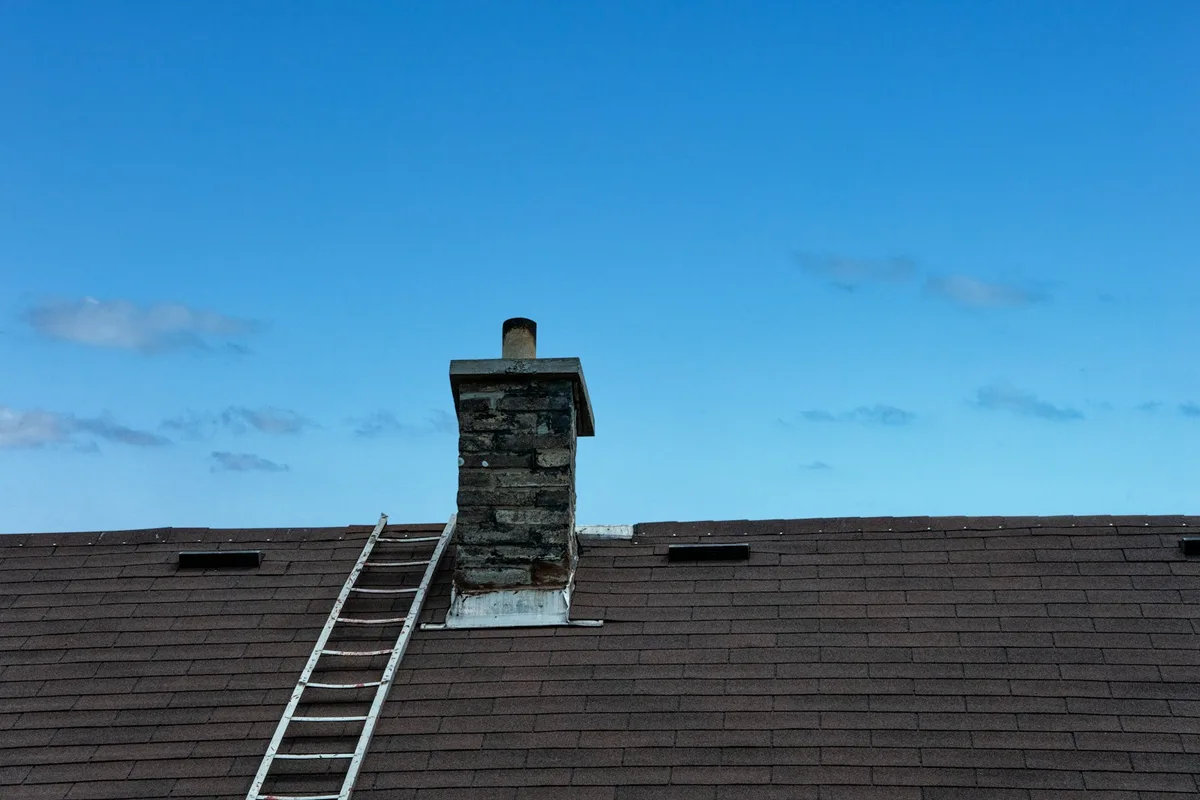
While someone's on the roof, have them eyeball the flashing and the ridge. Loose flashing found in September is a caulk gun job. Found in January, it's a stained ceiling. If your roof is metal, the checkpoints are a little different, and our guide to metal roofing systems covers what actually fails on those.
When Should You Clean Gutters in September?
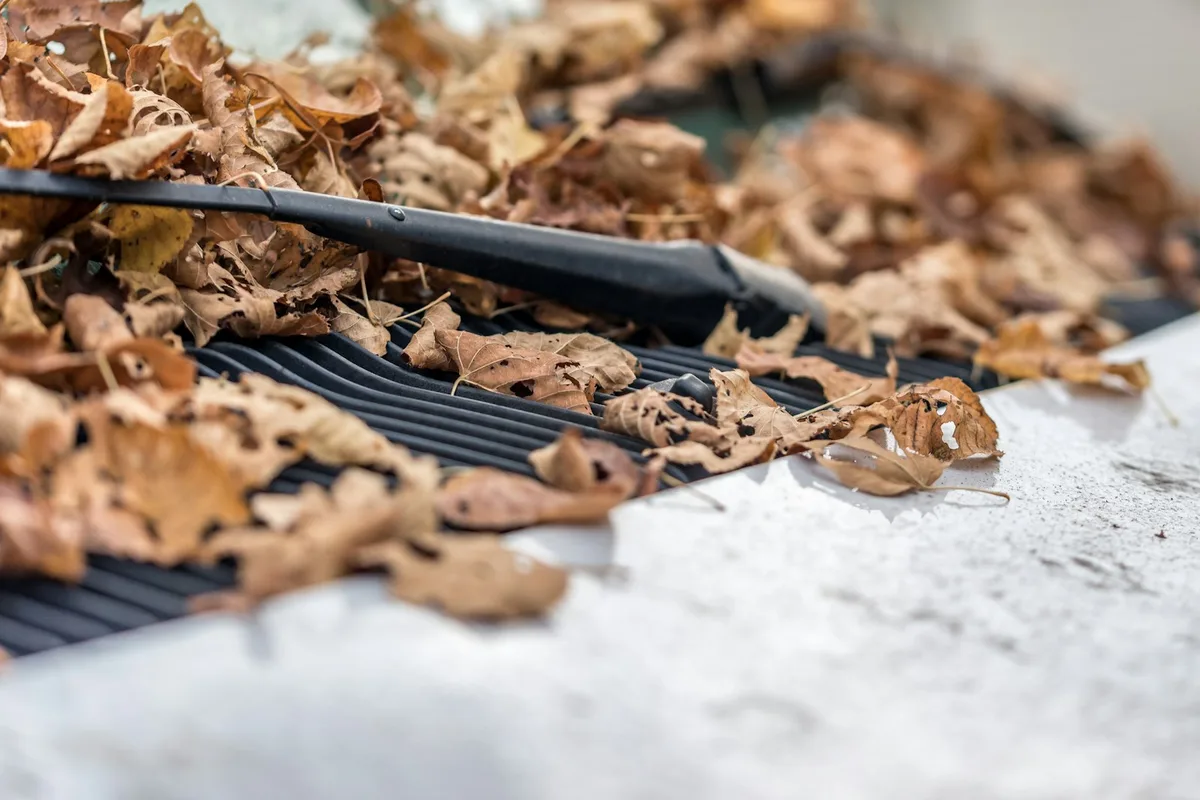
Here's where timing gets counterintuitive. The late-summer pass cleared the summer debris. Now the leaves start coming down, and the temptation is to clean once, early, and call it handled. That first clean refills within two weeks.
The honest schedule is two cleanings: one after leaf drop starts in earnest, one after the trees are bare. Budget for it.
What Two Passes Actually Cost
Angi's pricing data puts the national average at 168 dollars per professional cleaning, with most homeowners paying between 119 and 234 dollars, or roughly 0.95 to 2.25 dollars per linear foot. Run that per-foot range across a typical 150 feet of gutter and you get anywhere from 143 to 338 dollars, which tells you how much the tidy national average is hiding. Doubling it stings. That's exactly why gutter guards get sold so hard in September, and here's where I'll lose some of you: on a house under mature oaks, guards mostly relocate the clog to somewhere you can't see it. I'd rather pay for two honest cleanings than one false sense of security.
How Do You Fix Weatherstripping, Not Just Find It?
August was for finding drafts. September is for fixing them, because this is the last stretch of weather where exterior caulk cures properly and you can hold a door open for an hour without heating the neighborhood.
Pull the old weatherstripping off the worst door and take it to the hardware store. Matching the profile beats guessing. Add a door sweep where daylight shows under the slab, and recaulk the exterior penetrations where cable and refrigerant lines enter the wall. ENERGY STAR figures that sealing air leaks and adding insulation can cut up to 10 percent off annual energy bills, and the materials here cost less than one month of winter gas. Where else does a Saturday afternoon pay a return like that?
When Should You Book the Irrigation Blowout?
Don't winterize in September. The lawn still needs water, and a system blown out too early just gets turned back on. If you spend every September resenting that sprinkler bill, that's an argument for a grass-less lawn rather than a better controller. The freeze that matters is weeks away for most cold-winter regions, with blowouts typically landing between mid-October and early November, before overnight lows sit at freezing.
So what's the September job? The phone call. Irrigation companies run winterization as routed batches and fill those routes weeks in advance. Book now, pick your week, and you're done thinking about it.
Every fall home service is cheaper and easier to book in September. Call in October and you pay rush prices to stand in line.
Can Two Weekends Cover the Whole Checklist?
That's really the whole list, and the jobs it defers all land four weeks later in the October checklist: the second gutter pass, the hose bibs, the blowout you just booked. A thermostat test, four phone calls, a tube of caulk, and some weatherstripping. None of it is glamorous. All of it is cheaper in September than in October, and every year I'm a little amazed how few people believe that until they've heard an HVAC dispatcher laugh at them in November.